Why hair turns grey: pigment, timing and your choices
Understand what changes during greying and separate cosmetic appearance from questions about health or pigment biology.
What changes when hair greys
Natural hair colour is established as the fibre forms in the follicle. Pigment-producing cells contribute melanin to the growing hair. The hair you can see is not simply a container whose original colour washes out over time.
This distinction matters when reading cosmetic claims. A different visible shade does not by itself demonstrate that the follicle’s pigment-producing function has been restored. Melanin in hair explains the difference between the biological process and its visible result.
Everyone does not follow the same timetable
Inherited factors strongly influence when greying becomes noticeable. Family history is useful context, but not an exact date for what will happen to your own hair. Follicles need not change together, which is why darker and lighter strands can appear side by side.
Temples and the hairline may attract attention because they frame the face. Overall contrast, your original shade, hair length and light can make a similar number of pale strands look different. First grey hairs alone do not establish a diagnosis or show that you have cared for yourself badly.
Stress and nutrition are not single explanations
Research explores several processes involved in pigmentation and ageing. A finding about cells, animals or selected human hairs cannot automatically be turned into a treatment promise. Our stress article puts some often-quoted findings in context.
Likewise, grey hair alone cannot tell you that a vitamin is missing. If you have dietary concerns or accompanying symptoms, consider the wider situation with an appropriate professional instead of choosing supplements by colour changes alone.
Know which observation you are making
More pale strands, rougher ends and visible thinning are different observations. The first may chiefly concern appearance; the second may justify reviewing handling and previous treatments; substantial thinning can require assessment. Trying to explain all three through one cosmetic product can obscure useful questions.
If a change is unusually early, rapid or accompanied by other symptoms, ask a clinician. Note when you noticed it and what else changed. Do not stop medicines independently.
Appearance remains a personal choice
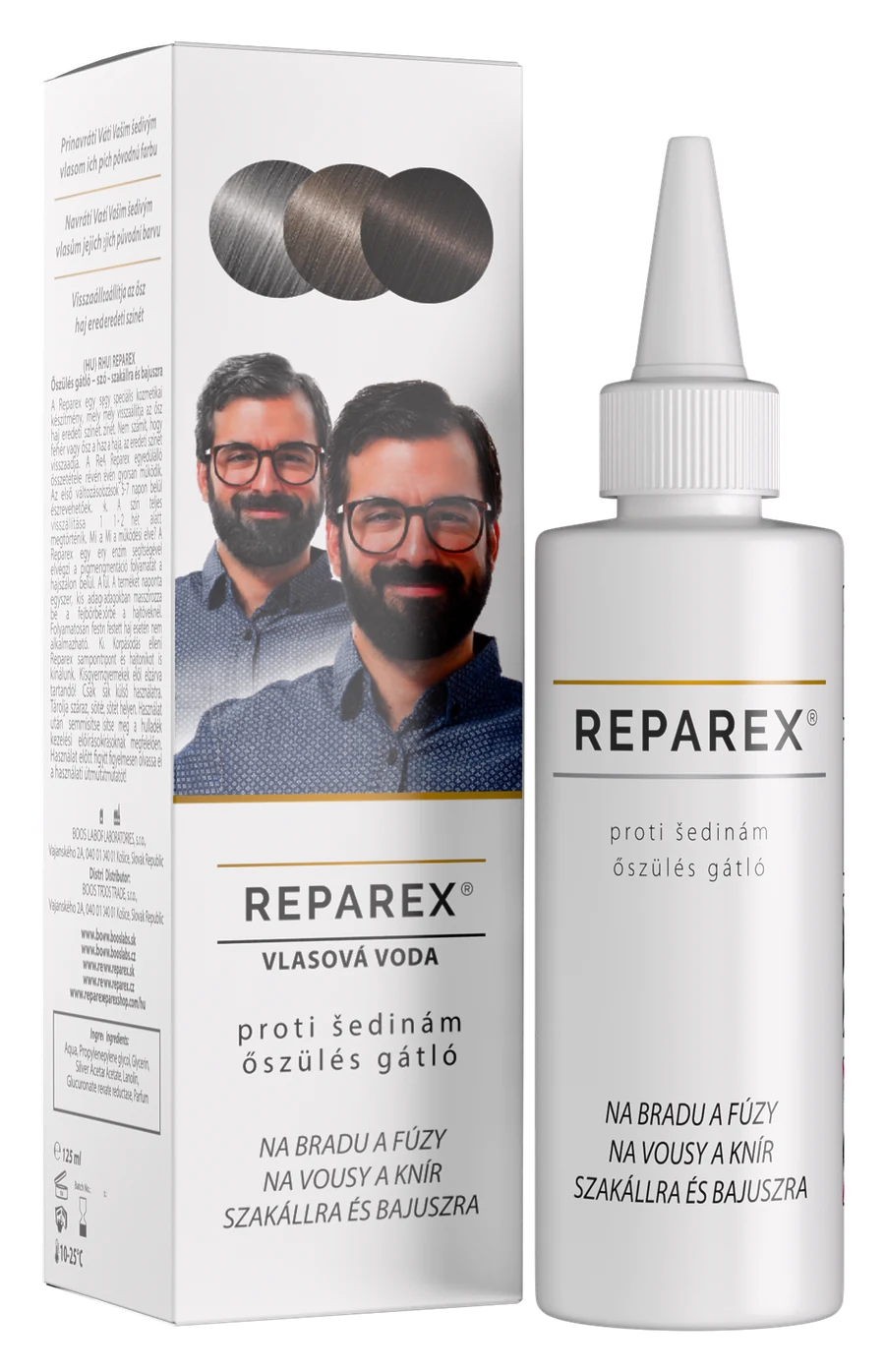
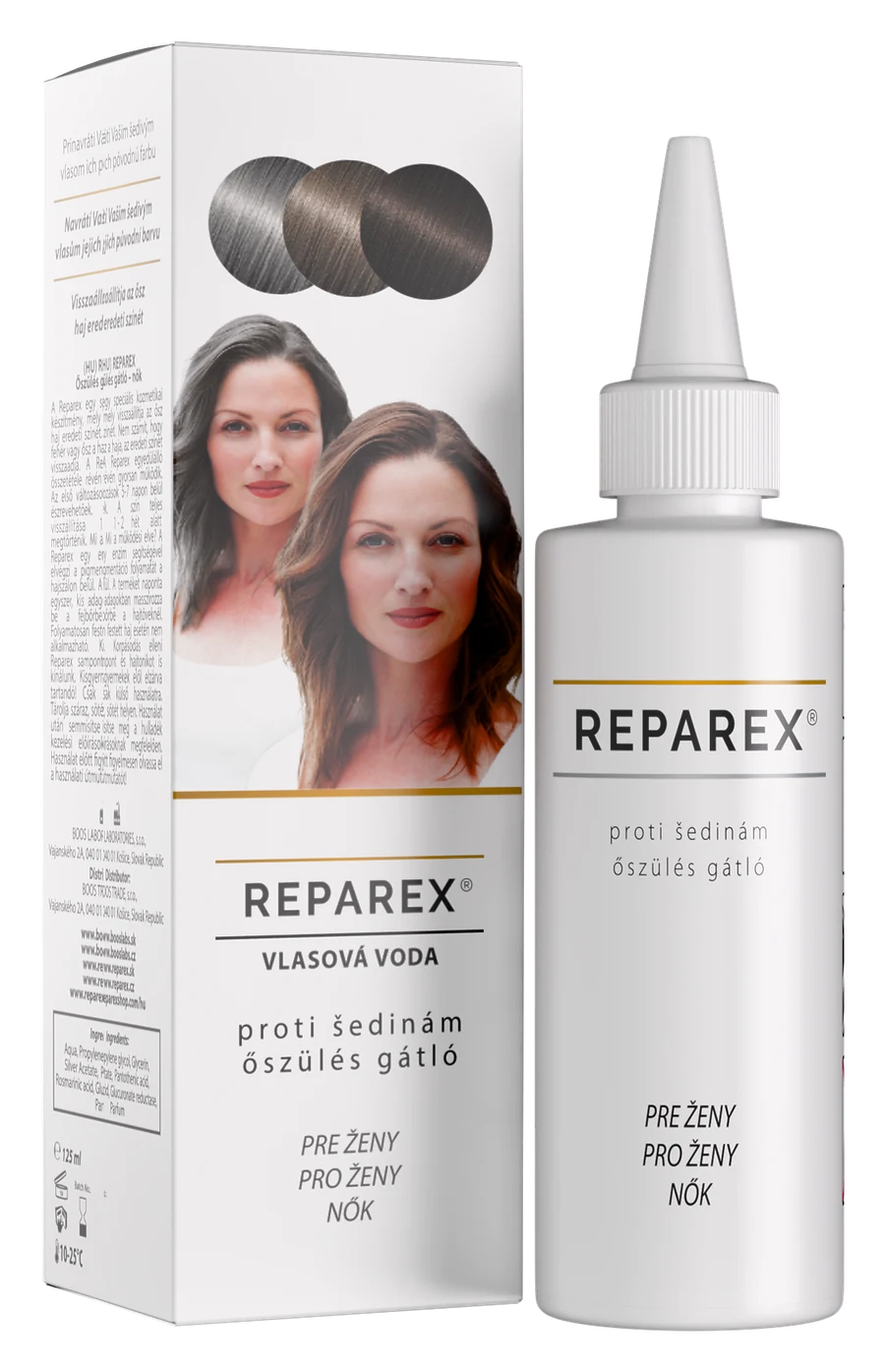
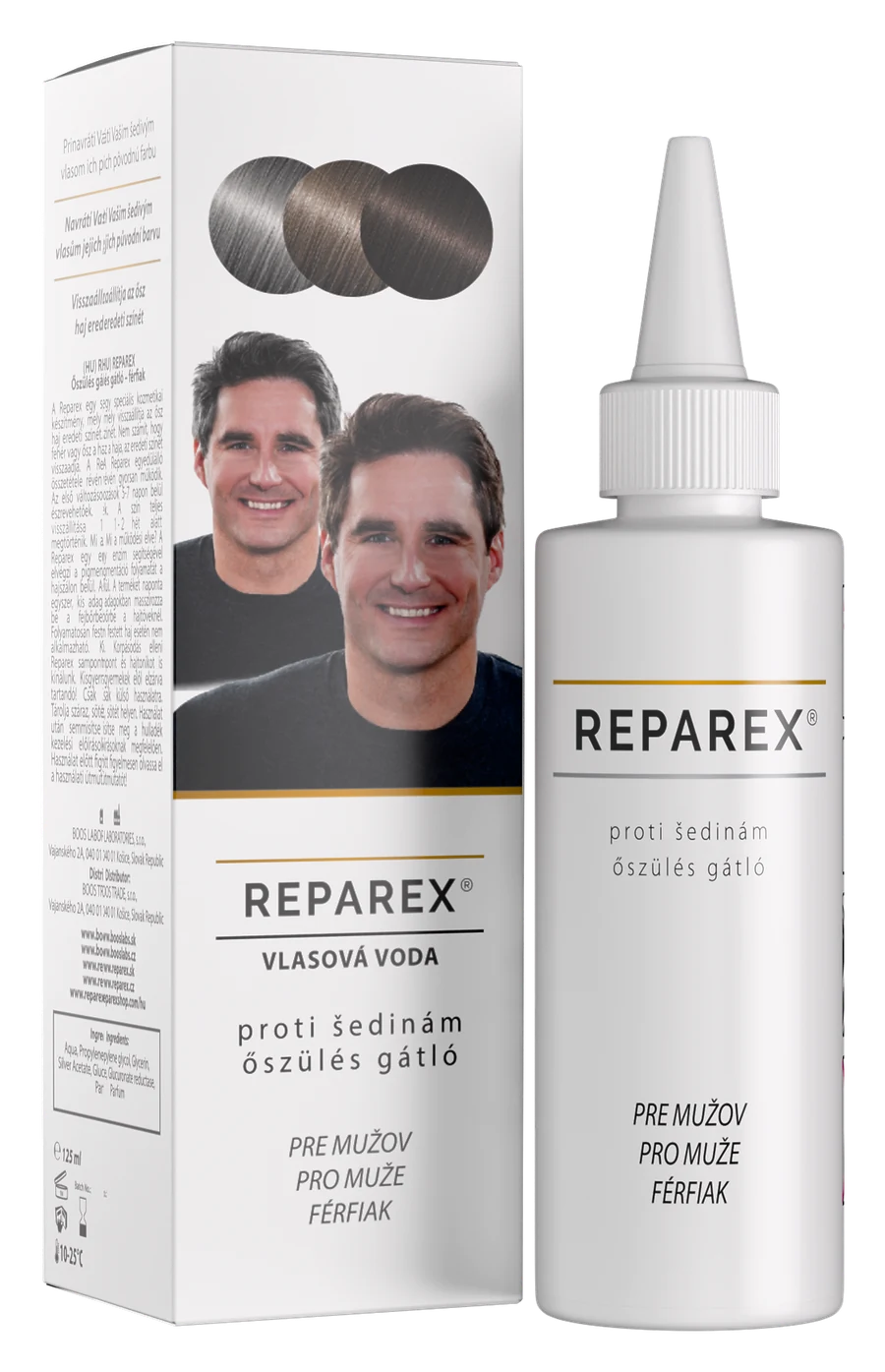
Keeping grey hair is as valid as choosing to adjust its appearance. Compare temporary coverage, colouring and gradual care according to your goals and product restrictions. Reparex is presented as a cosmetic option, not treatment for disease or proof of restored pigment cells.