Melanin in hair: where natural colour comes from
Understand the difference between pigment formed in the follicle and a cosmetic change to the hair you can see.
Colour is incorporated as hair forms
Melanin is a group of natural pigments. Pigment-producing cells in the follicle contribute to the colour of hair as it grows. The visible shaft is the result of that process, rather than a living reservoir that a shampoo simply refills.
This distinction does not diminish the value of cosmetic appearance. It helps describe outcomes accurately: changing visible colour, supporting a smoother surface and restoring pigment-cell function are different claims.
Natural shades involve more than one pigment
Eumelanin and pheomelanin contribute to natural hair shades through their amount and relative presence. Individual strands and follicles need not have identical pigmentation. A mixture of more and less pigmented hairs can create an overall grey impression.
Contrast also matters. A few light hairs can stand out differently against dark hair than among lighter strands. The apparent colour in a photograph additionally depends on lighting, styling and the camera.
Research does not reduce greying to one ingredient
Researchers study pigment cells, their environment and their behaviour across hair cycles. Terms such as oxidative stress describe biological processes; they do not establish that everyone has one missing ingredient or that any antioxidant cosmetic reverses the process.
Ask whether an article describes cells, an animal model, human observations or a trial of a finished product. An explanation of an ingredient is not automatically evidence for all the claims made about a bottle containing it.
A photo is not a melanin measurement
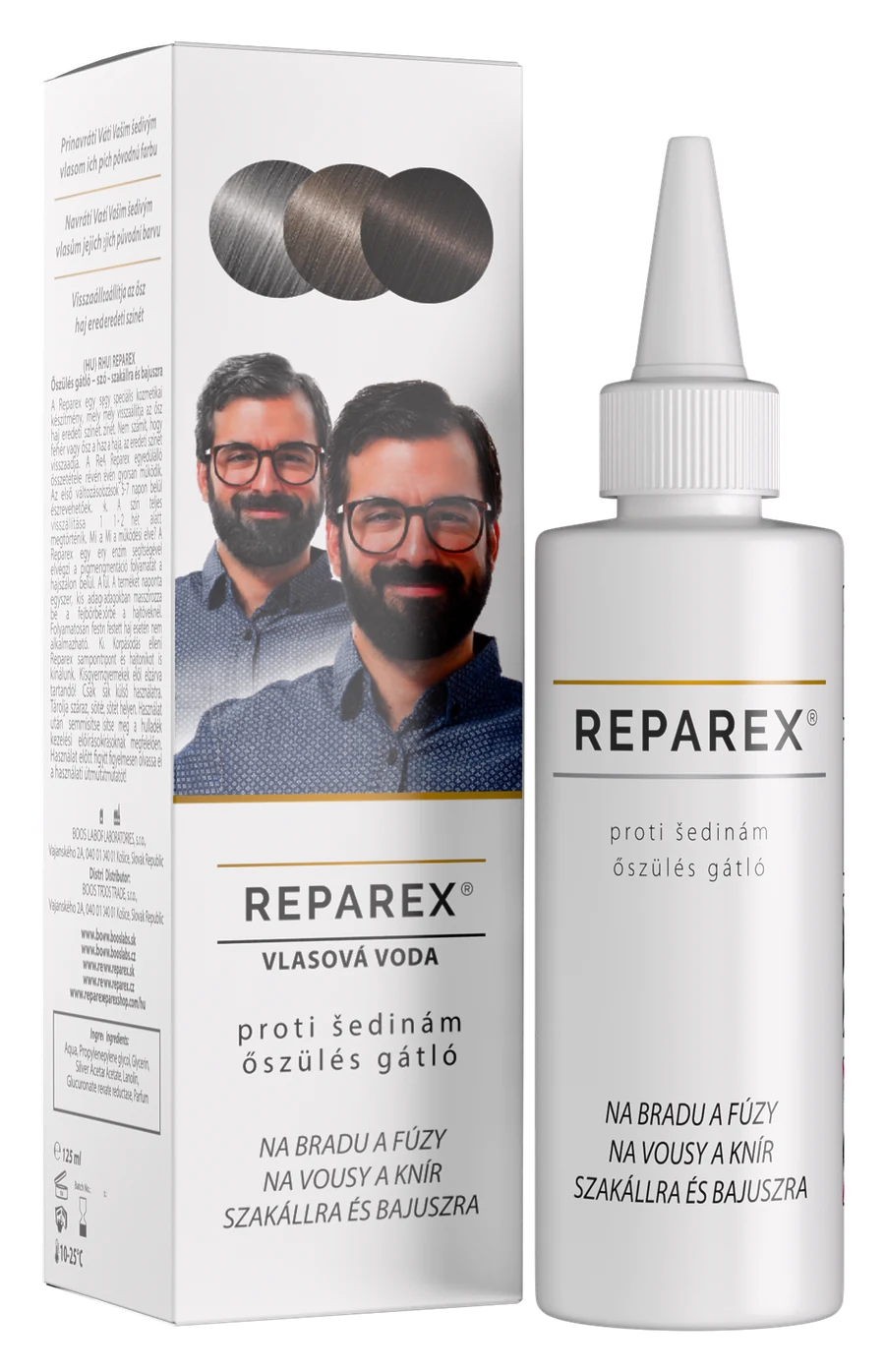
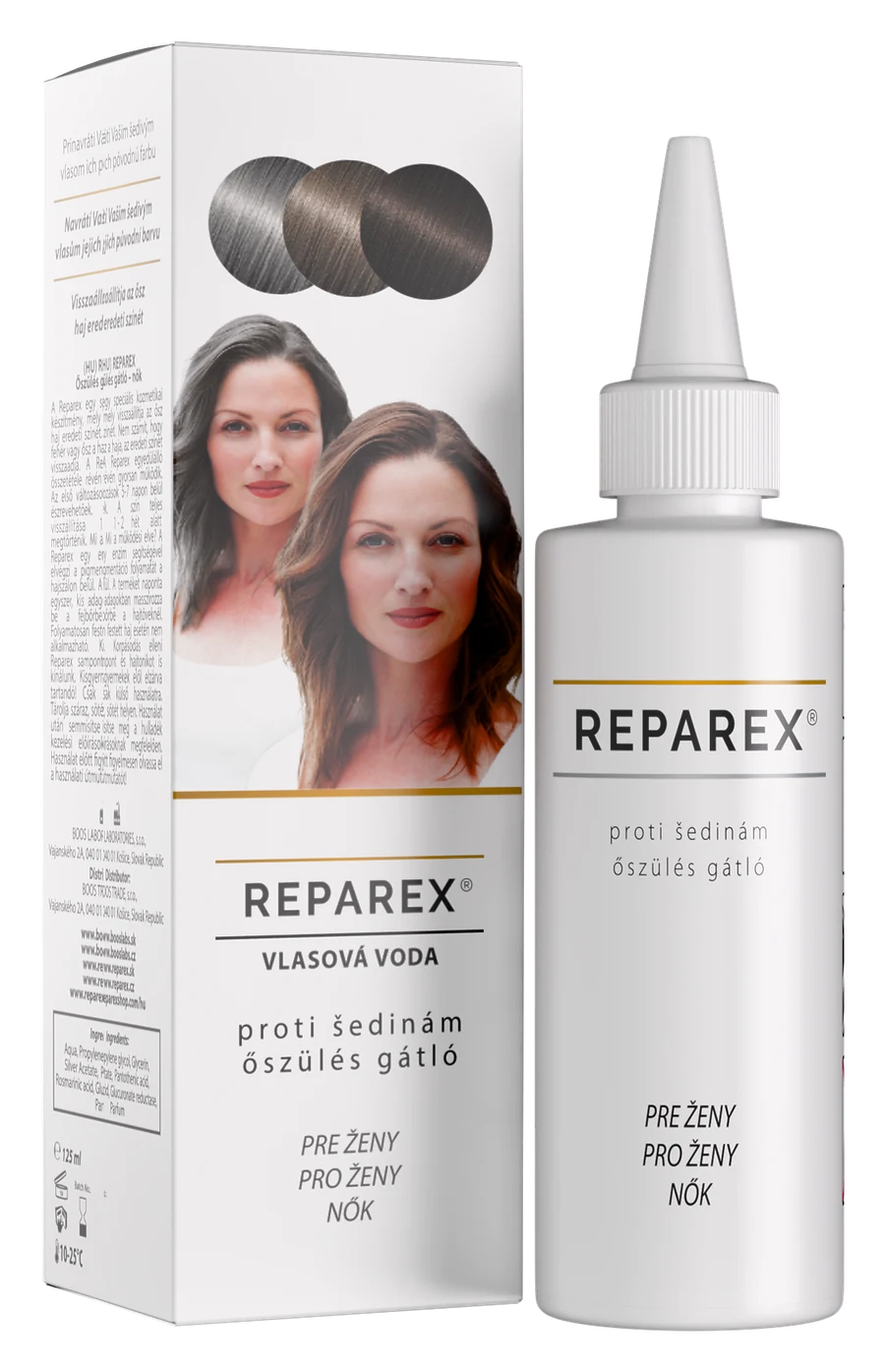
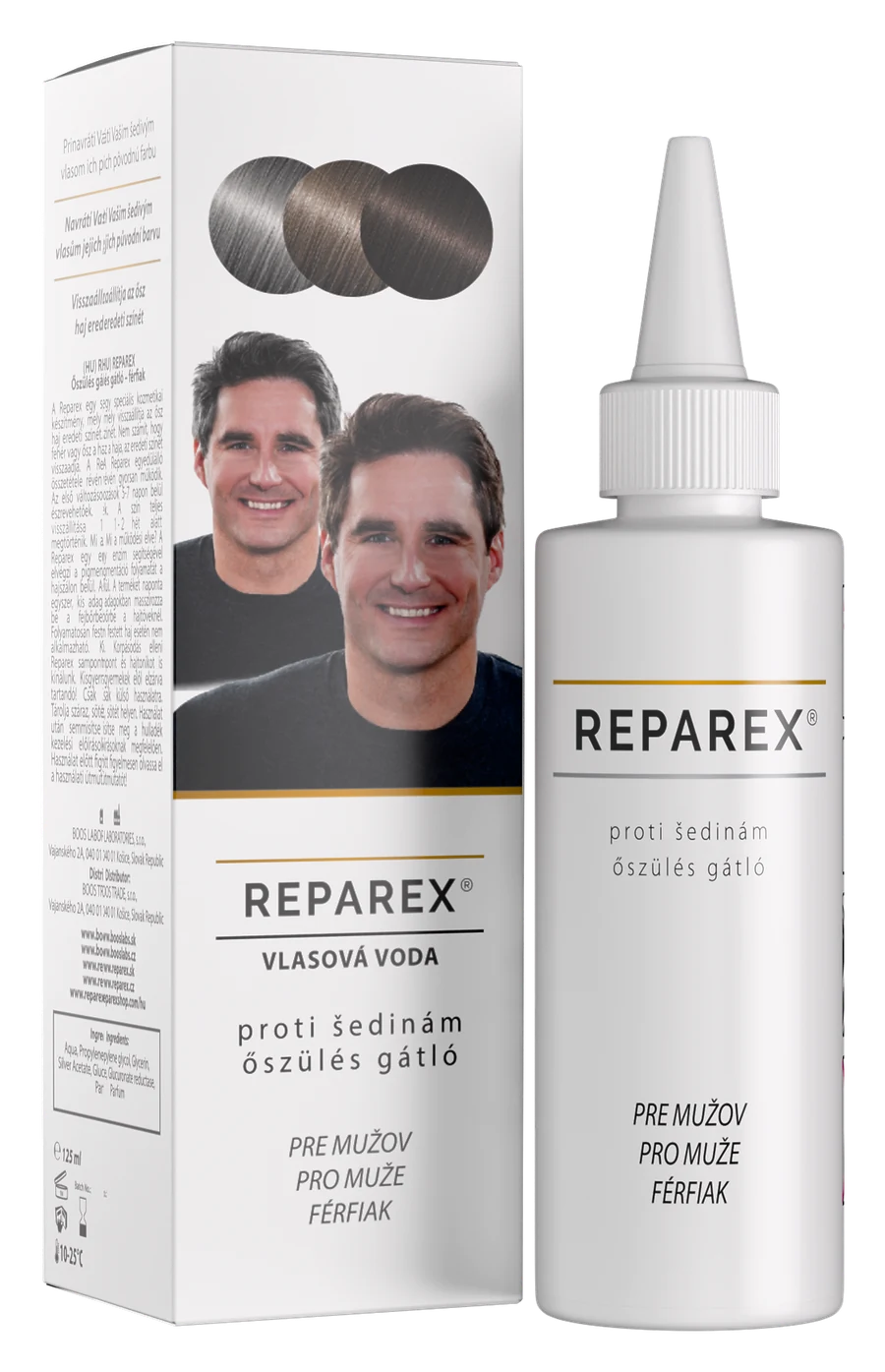
Photographs can help compare appearance when conditions are similar. They do not, by themselves, measure a strand’s chemistry or identify what changed inside the follicle. Shine, smoothing, colour products and different illumination can alter the visible result.
Use a simple photo diary if it helps you assess your own cosmetic preferences. Keep the observations modest rather than converting a darker-looking image into a claim about biological restoration.
Choose by the outcome you actually want
For easier handling, consider suitable surface care. For a different visible shade, compare the cosmetic options. For substantial or worrying changes in density or scalp health, seek an appropriate assessment. Hair colour alone does not describe the health of a fibre or a person.