Photographing grey hair: a simple diary without filters
Make personal comparisons more consistent by keeping light, camera, styling and notes as similar as possible.
Choose a place you can use again
Hair can appear different in a bathroom mirror, beside a window and in a selfie. A simple diary can reduce some of that variation, but photographs alone do not prove cosmetic effectiveness or establish a biological reason for a change.
Choose repeatable, diffuse light, avoiding direct sunlight and a mixture of daylight with strong warm indoor lighting. Note the place and your position. If light is substantially different on another day, record the difference instead of treating the image as directly equivalent.
Keep the camera and framing consistent
Use the same phone and camera rather than alternating between front and rear lenses. Support it steadily and repeat distance and angle. Select a few views you can reproduce, such as the front, a temple and the parting. Your entire face need not be included.
Keep beauty filters and creative colour, contrast or exposure adjustments off. White balance can alter colour rendering; a phone’s processing can also change between modes. Record a change of device or camera style and keep the original files.
Prepare your hair similarly
Compare dry hair styled in a similar way. Note washing, products and a recent trim. A parting in a different place or hair brushed back rather than forward can reveal a different area, independently of any change in pigment.
A weekly set can be a manageable organisational choice, not a deadline by which a cosmetic must work. Use modest notes such as “the temple appears darker; the light was weaker” rather than inventing a percentage reduction from a photograph.
Let instructions determine the routine
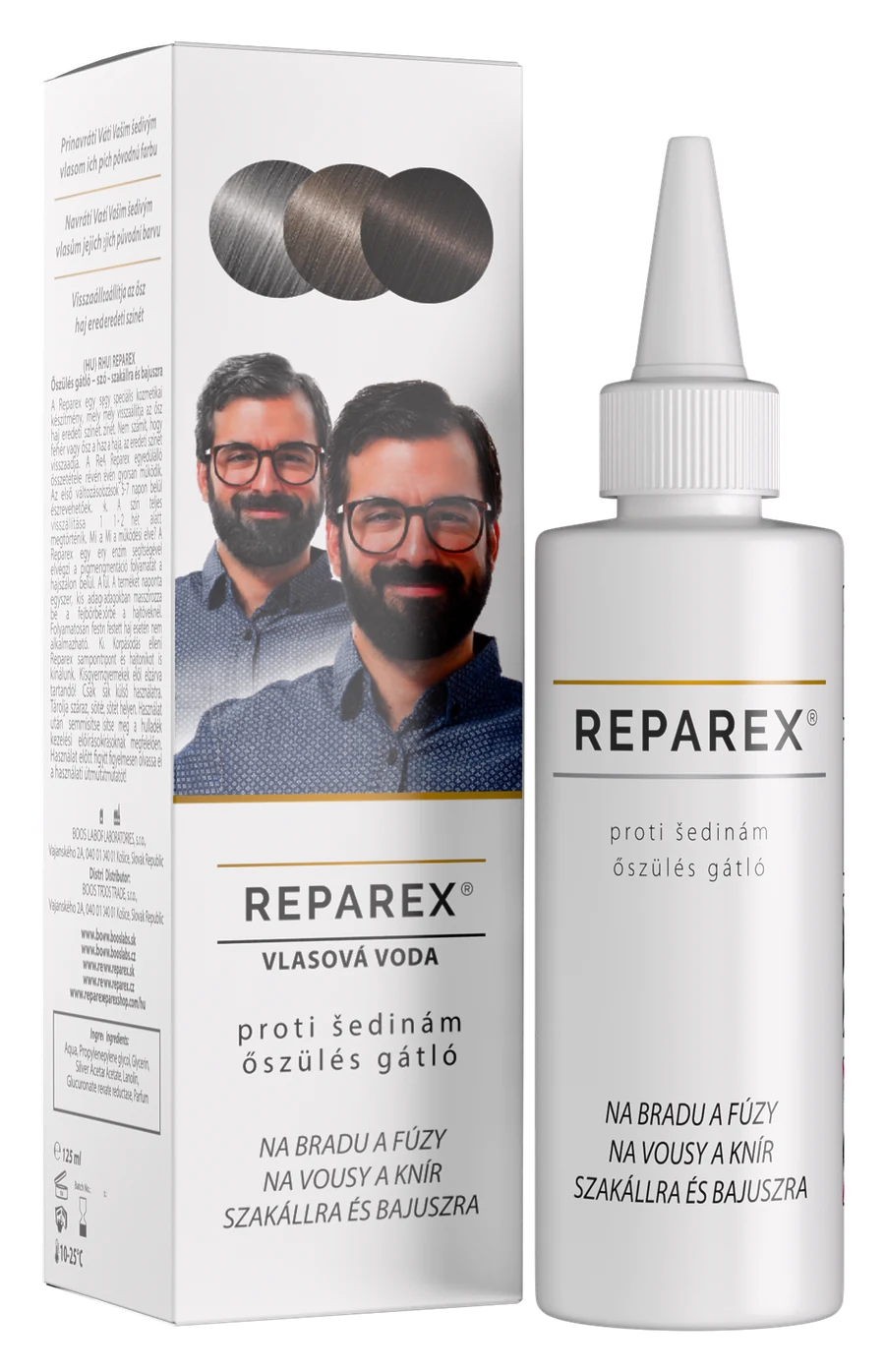
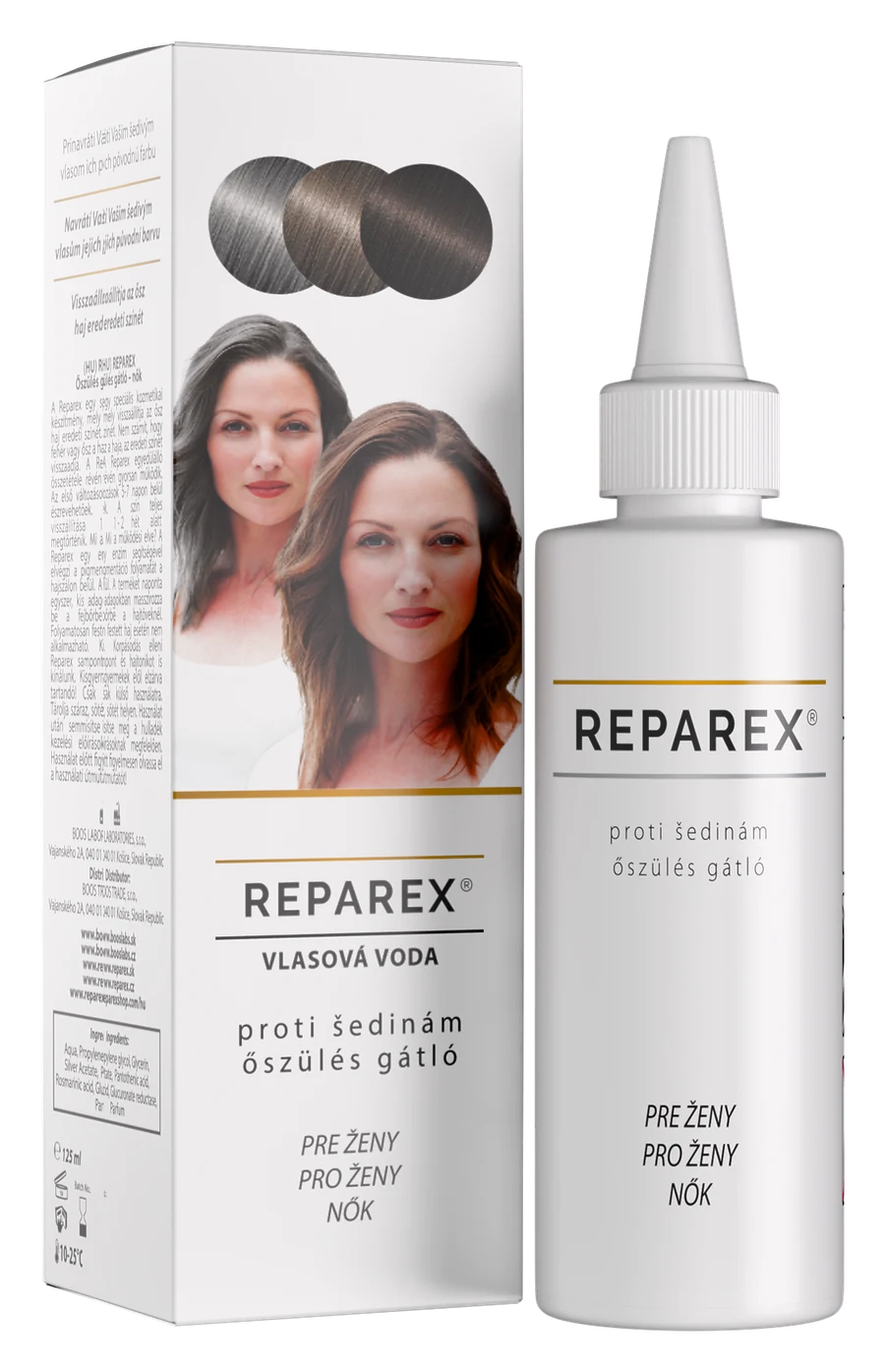
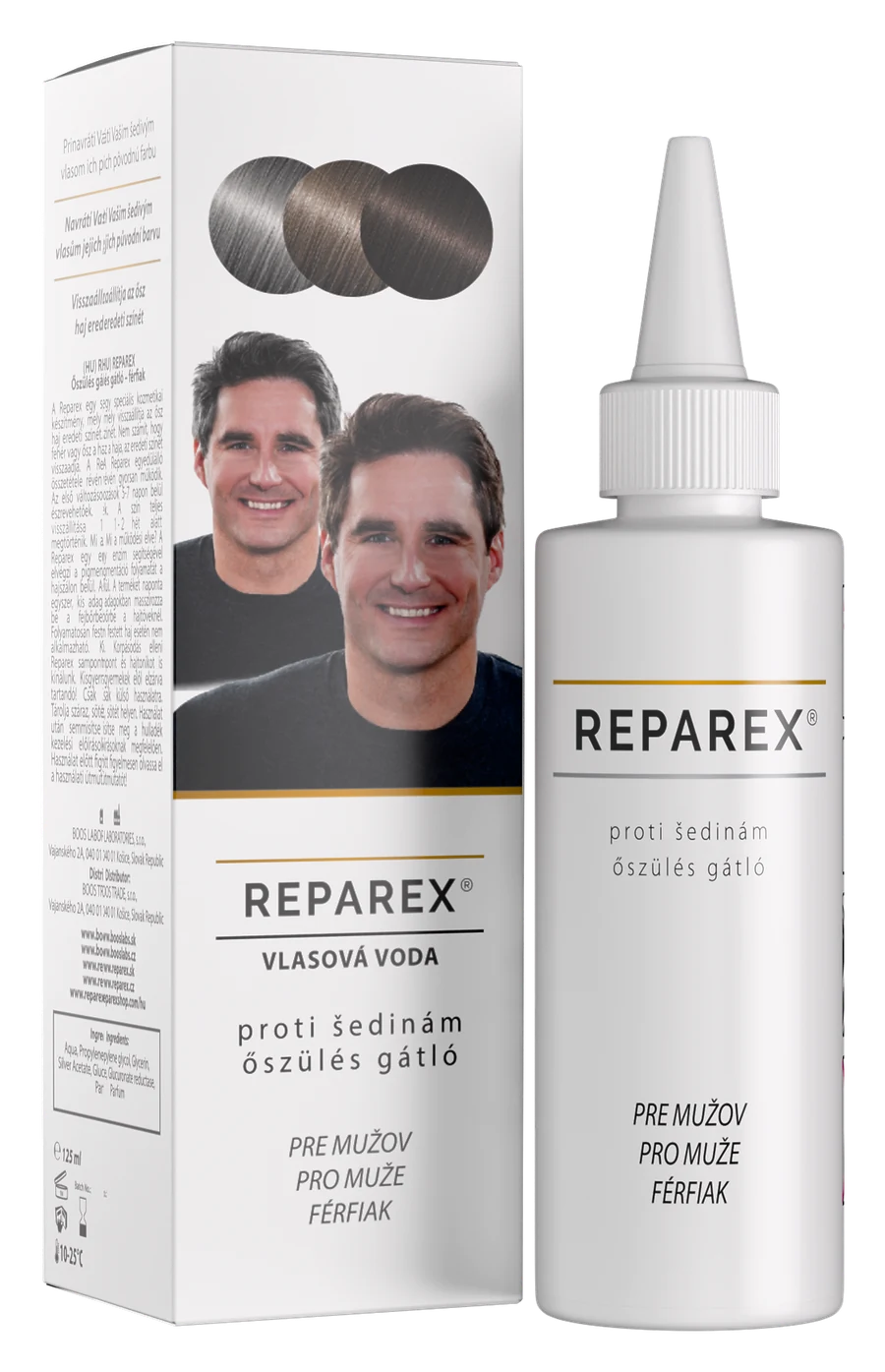
If you use Reparex, photographs do not determine the amount or frequency. Follow the leaflet for Men, Women or Beard & Moustache, as appropriate. The diary cannot replace those instructions.
Compare the series, not the most dramatic pair
Keep dated files together and use the same display with similar brightness when reviewing them. Compare like-for-like views, including the starting set. If you contact support, add the routine and lighting conditions, and check that personal documents or other people’s faces are not unnecessarily included. A consistent record is more useful than a striking but mismatched before-and-after pair.