Does colouring damage hair? Peroxide, ammonia and the whole process
Consider the formula, technique and history of your lengths instead of judging a product by one highlighted ingredient.
Chemical change is not a complete description of the result
Oxidative colouring changes the hair fibre. The result depends on the formula, instructions, previous treatments and handling afterwards. Saying that all colour destroys hair, or that the absence of one ingredient makes every formula harmless, oversimplifies the situation.
Also distinguish roughness, breakage and shedding from the root. A new change in density should not automatically be blamed on colour without understanding what happened.
Think about the complete formulation
The cuticle covers the fibre, with the cortex beneath it. Oxidative colouring involves a process within that fibre. Hydrogen peroxide is used as an oxidising component in many colouring and lightening systems. Ammonia is one way of creating alkaline conditions; other systems can use different ingredients.
For a practical decision, read what the product is mixed with, which hair it is intended for and the specified processing time. Do not change developer strength, ratios or timing according to an online shortcut.
Older lengths have a history
Repeated colouring or lightening may combine with friction, detangling and heat styling. Roots and older ends may therefore need different decisions. Reapplying a full process everywhere is not a universal answer to visible regrowth.
Cosmetic care can improve feel and handling, but should not be described as biological healing of an existing shaft. How hair works explains that distinction. A haircut may also be more practical than repeatedly layering products onto difficult ends.
Skin safety is a separate question
Burning, swelling or a rash is not simply dry hair. Stop using a suspected product and follow its safety instructions; seek medical help as appropriate. See hair-dye reactions and PPD for the difference between a home test and professional assessment.
Keep a useful record
Save the product name, ingredient information and date of use. Describe specific observations such as rough ends or difficult detangling instead of only saying the hair is ruined. That makes advice more targeted.
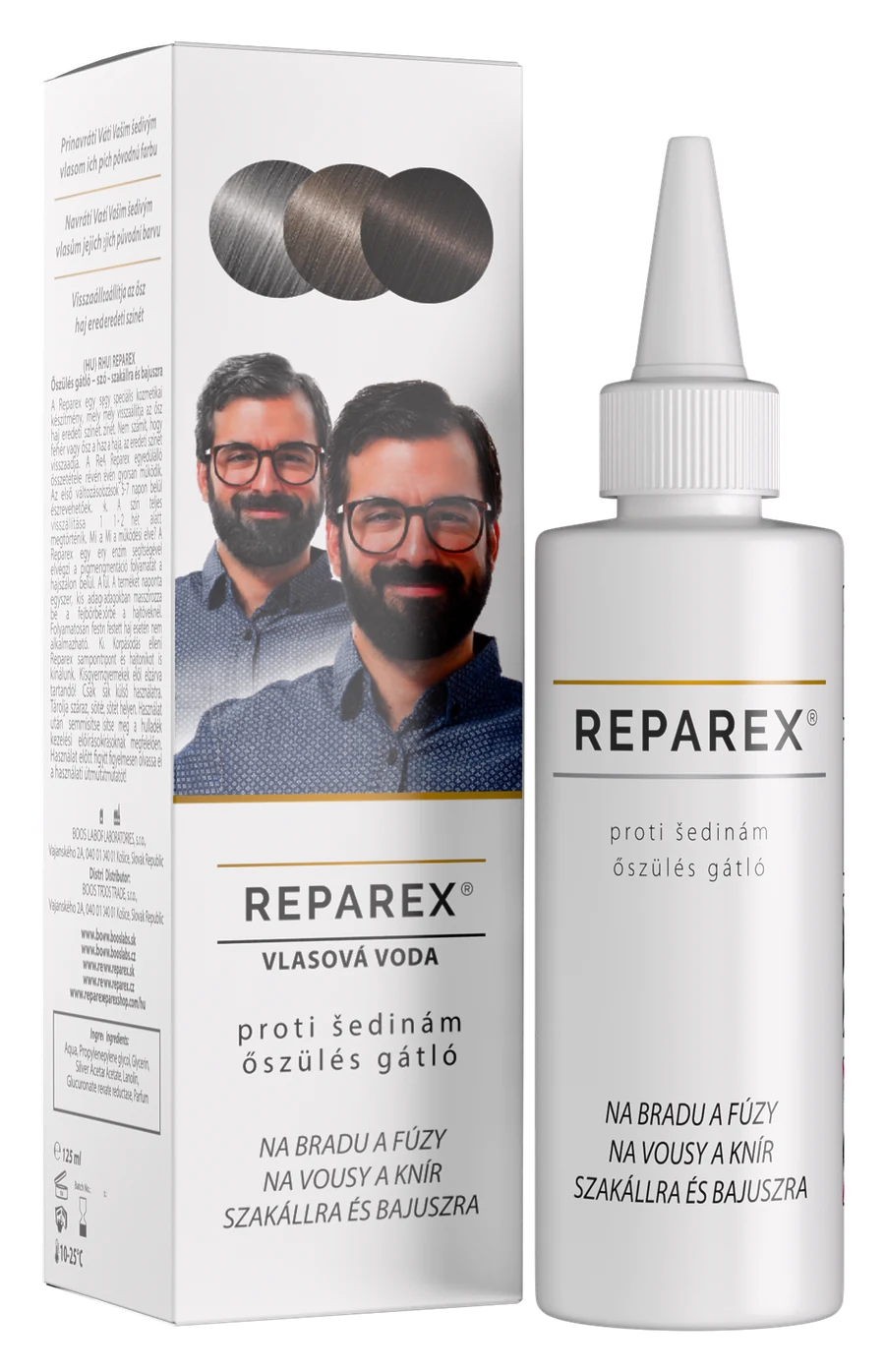
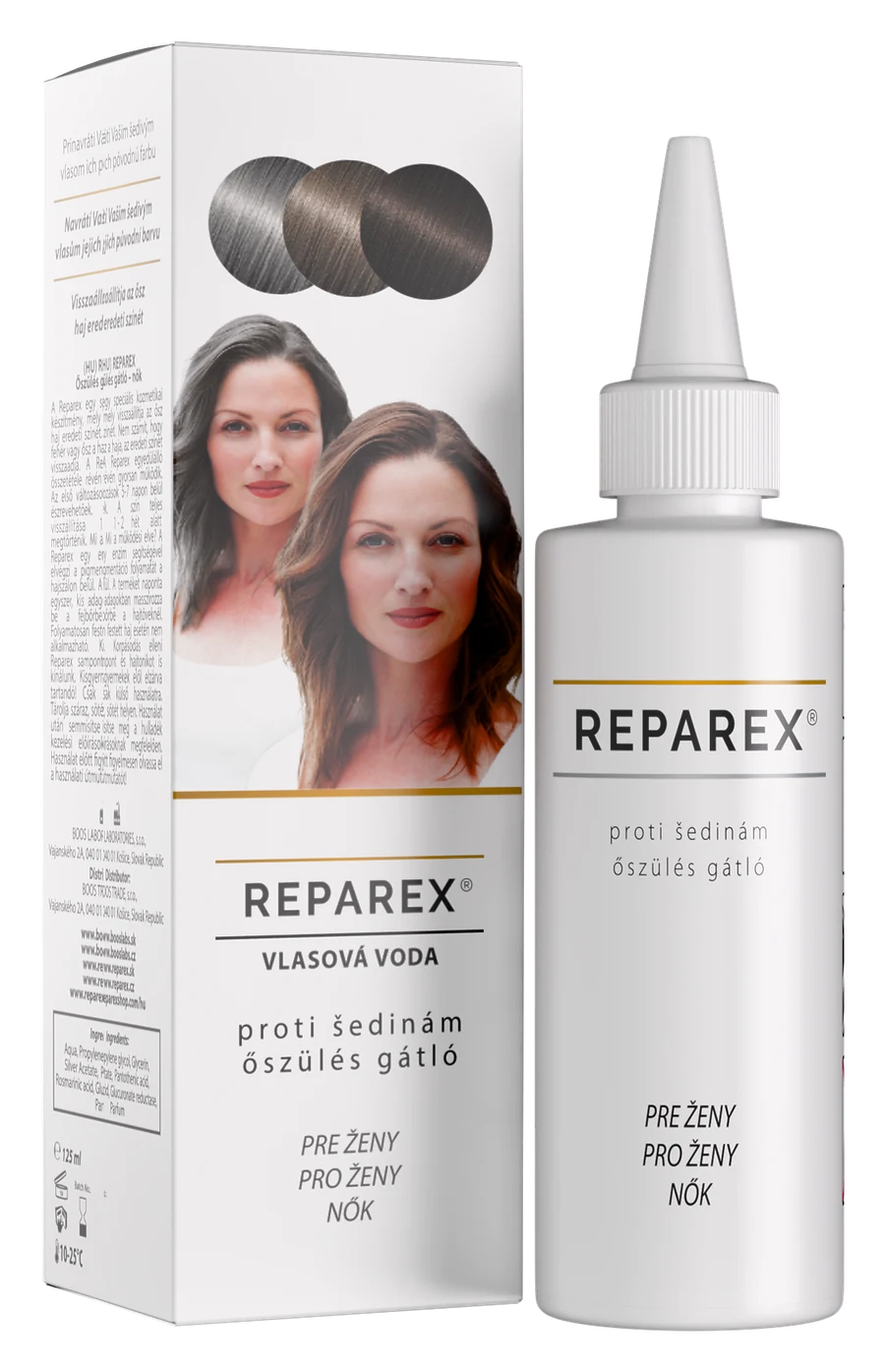
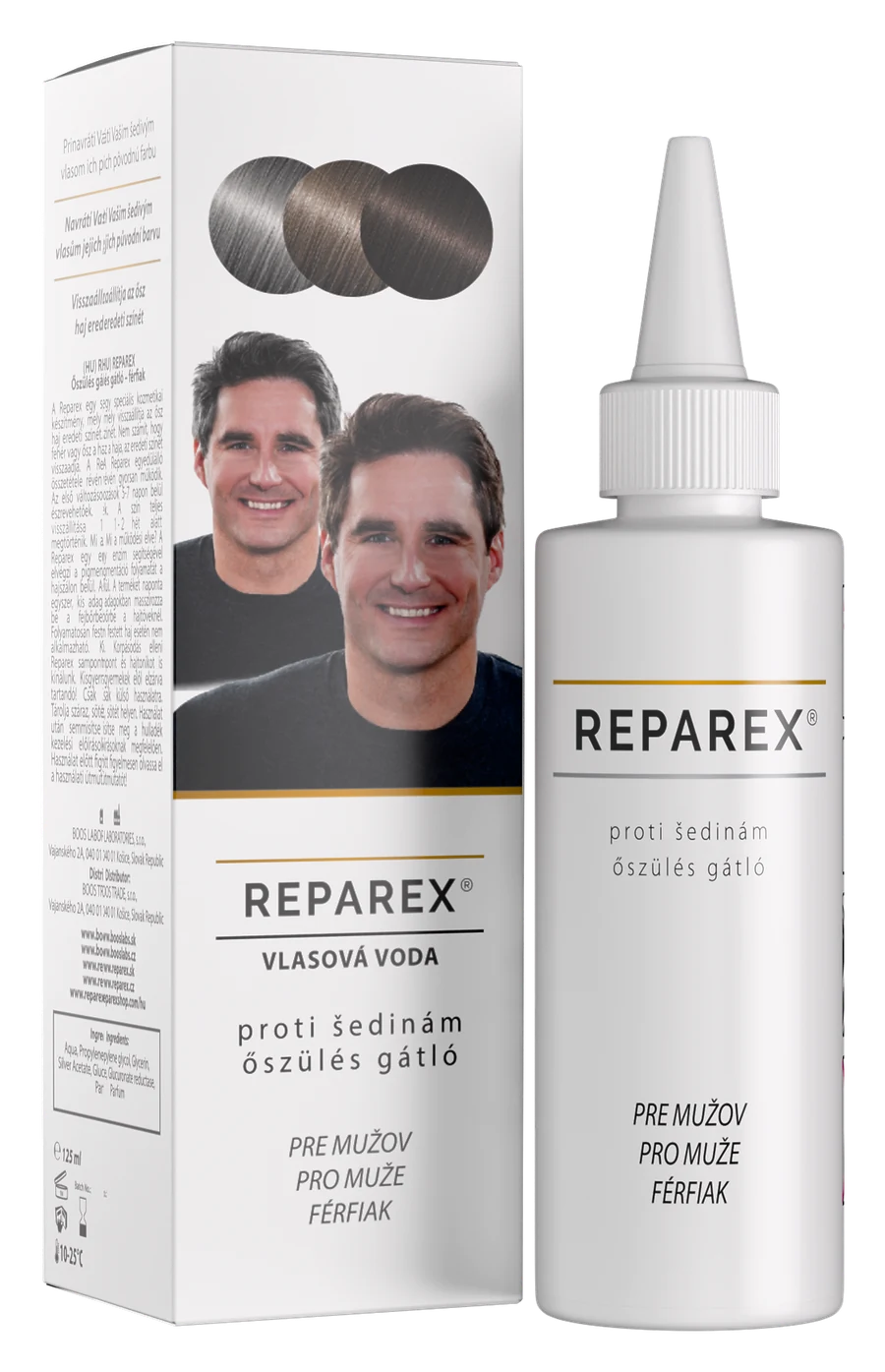
This article does not rank Reparex as automatically safer than every dye. It has a different routine and its own restrictions. Read the comparison and check suitability before changing systems.