Colouring grey hair: coverage, toning and a gradual approach
Define the coverage you want, consider regrowth and check your hair's history before selecting a colouring routine.
Coverage and tonal adjustment are different aims
The shade on a box is only part of a decision. Complete coverage, softer contrast and adjustment of an unwanted tone are not interchangeable goals. Natural colour, the proportion of grey, previous treatments and the particular formula all affect the result.
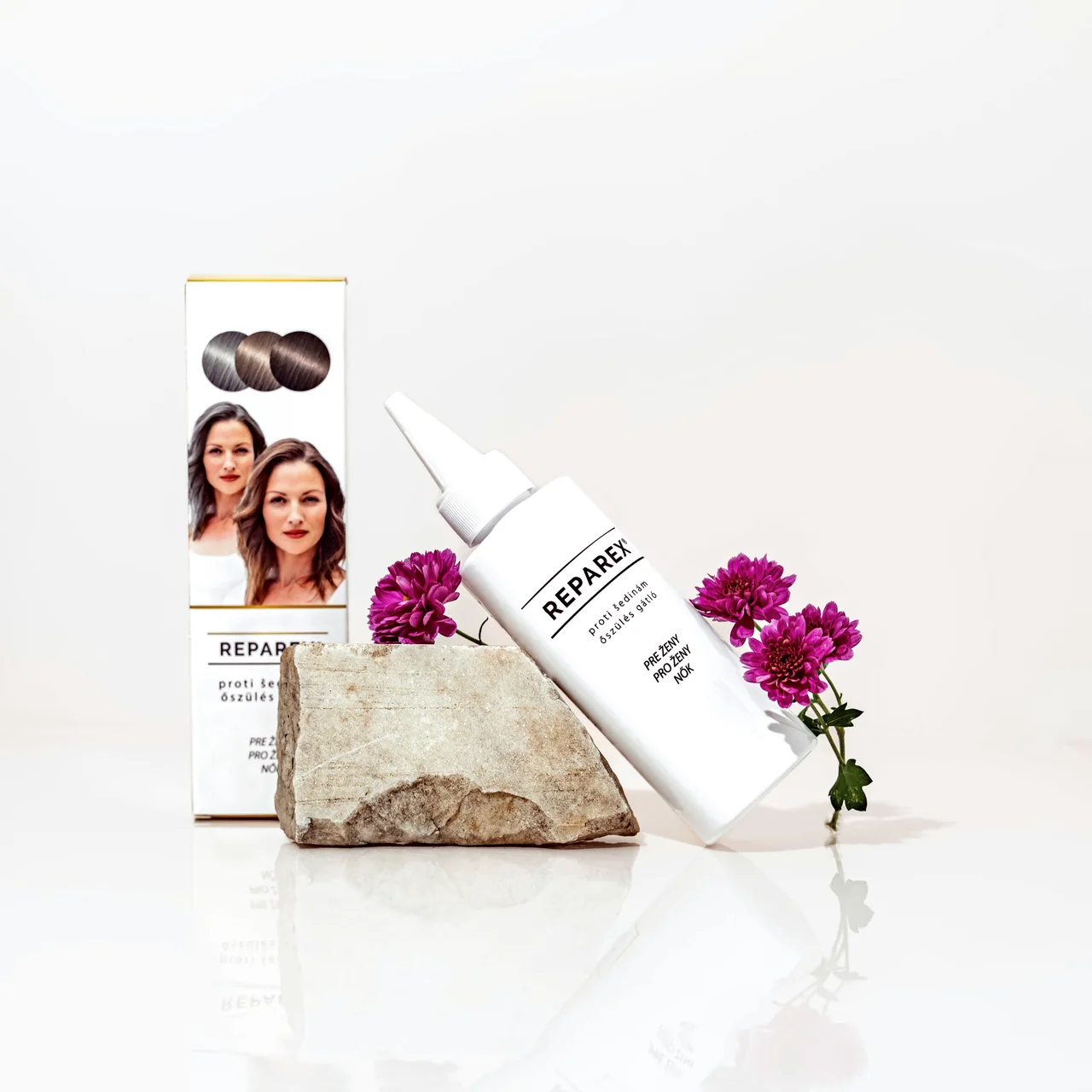
A model photograph cannot promise your individual outcome. Decide whether you want to retain some lighter strands or prefer a more uniform appearance before choosing a system.
Permanent colour still needs a maintenance plan
Permanent oxidative colouring involves a chemical process in the fibre, rather than simply coating every strand with an identical removable film. Follow the specified developer, mixing ratio and processing time. Increasing time or strength is not a universal route to better coverage.
Durable colour does not stop hair growing. New roots have their own shade, so consider contrast between applications as well as the first result. There is no single safe touch-up interval for everyone independent of the product and the condition of the hair and scalp.
Toners are not one formula
A toner can describe several types of shade adjustment. The name alone does not tell you whether developer is involved or whether full coverage is intended. Our henna and toner guide explains why method matters more than category labels.
Roots and older lengths also have different histories. Repeating the same process over every part of the hair is not automatically appropriate. Bring previous product names and dates to a salon consultation and describe the maintenance you want.
Where Reparex differs
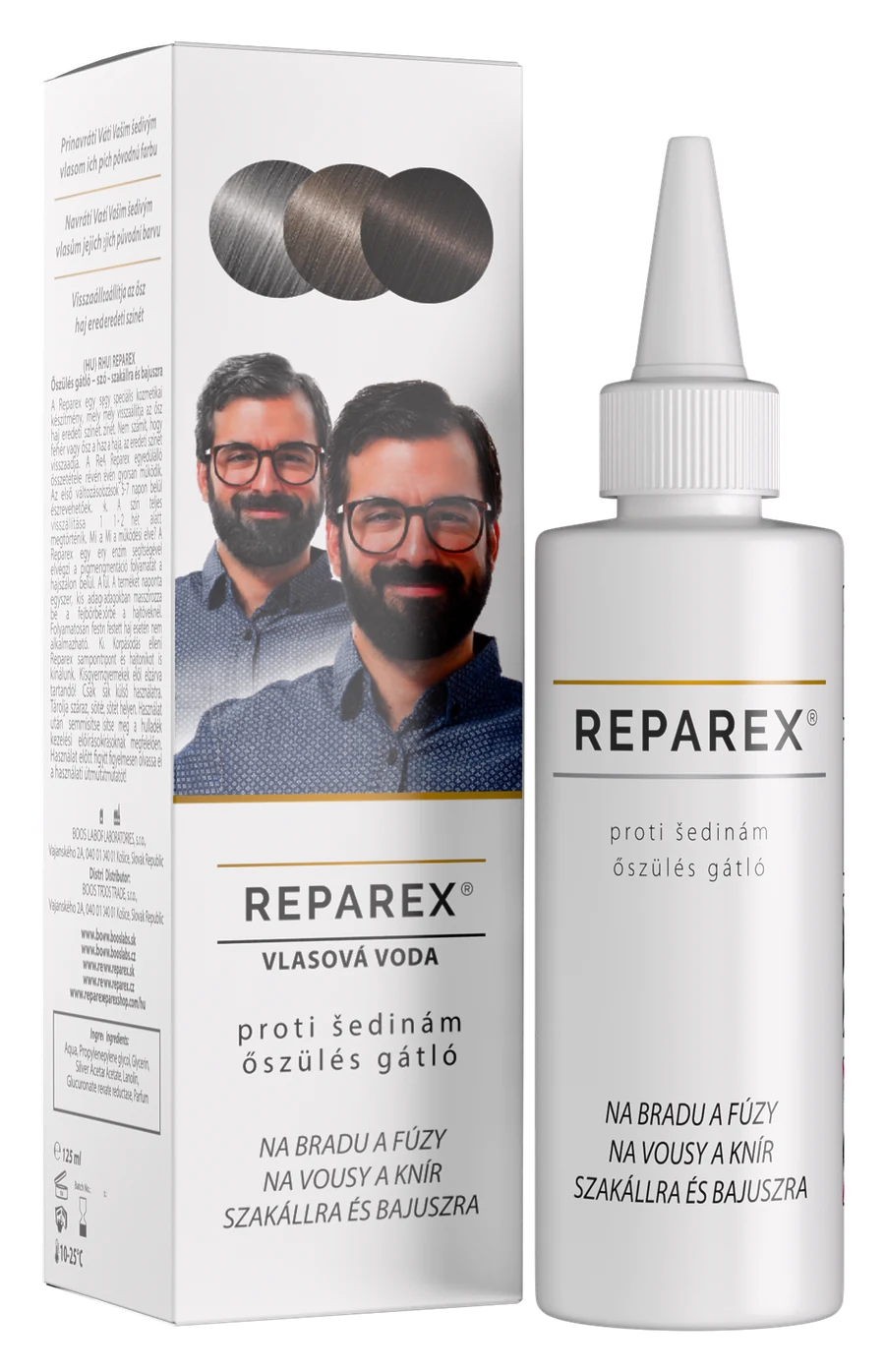
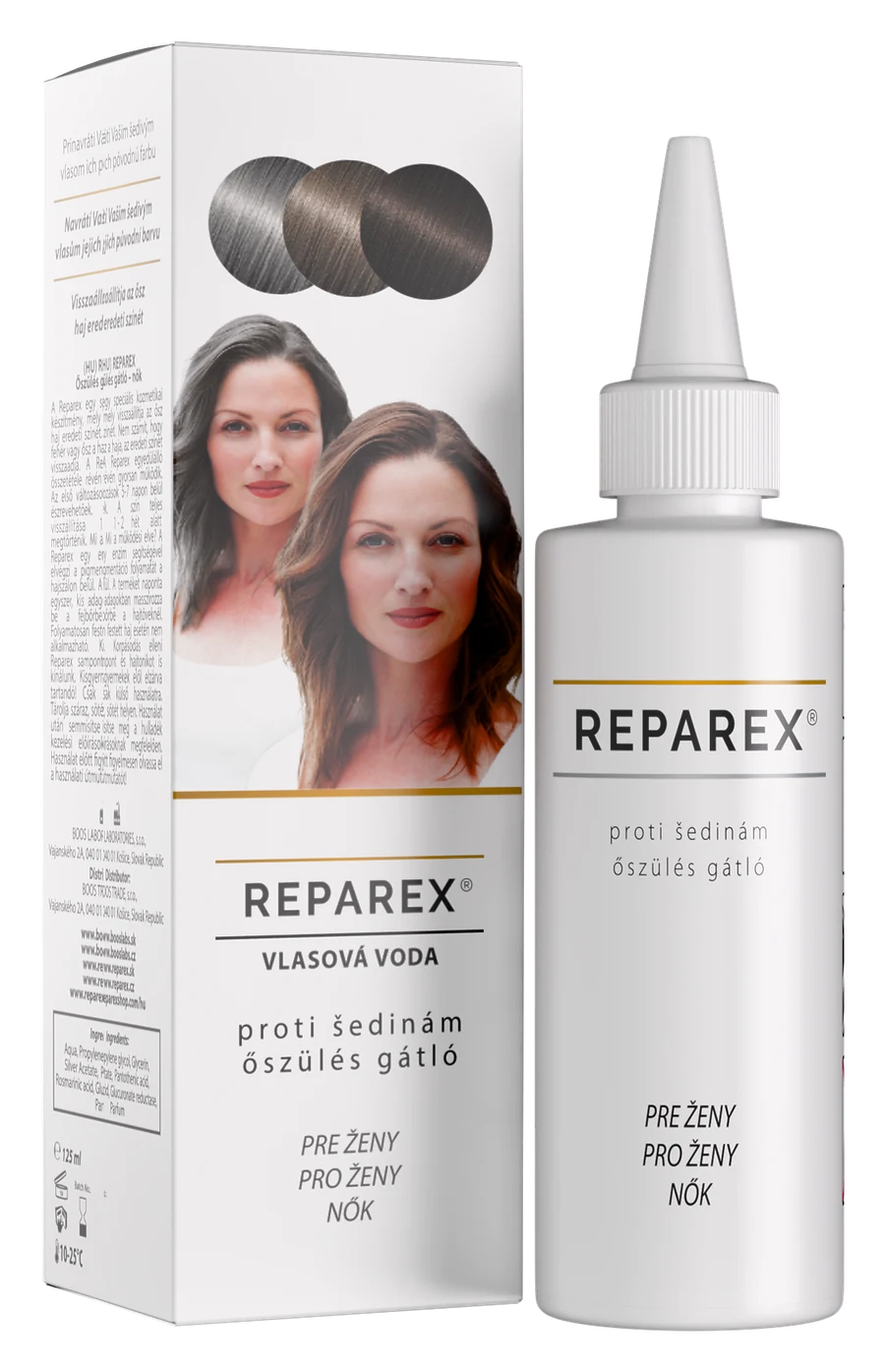
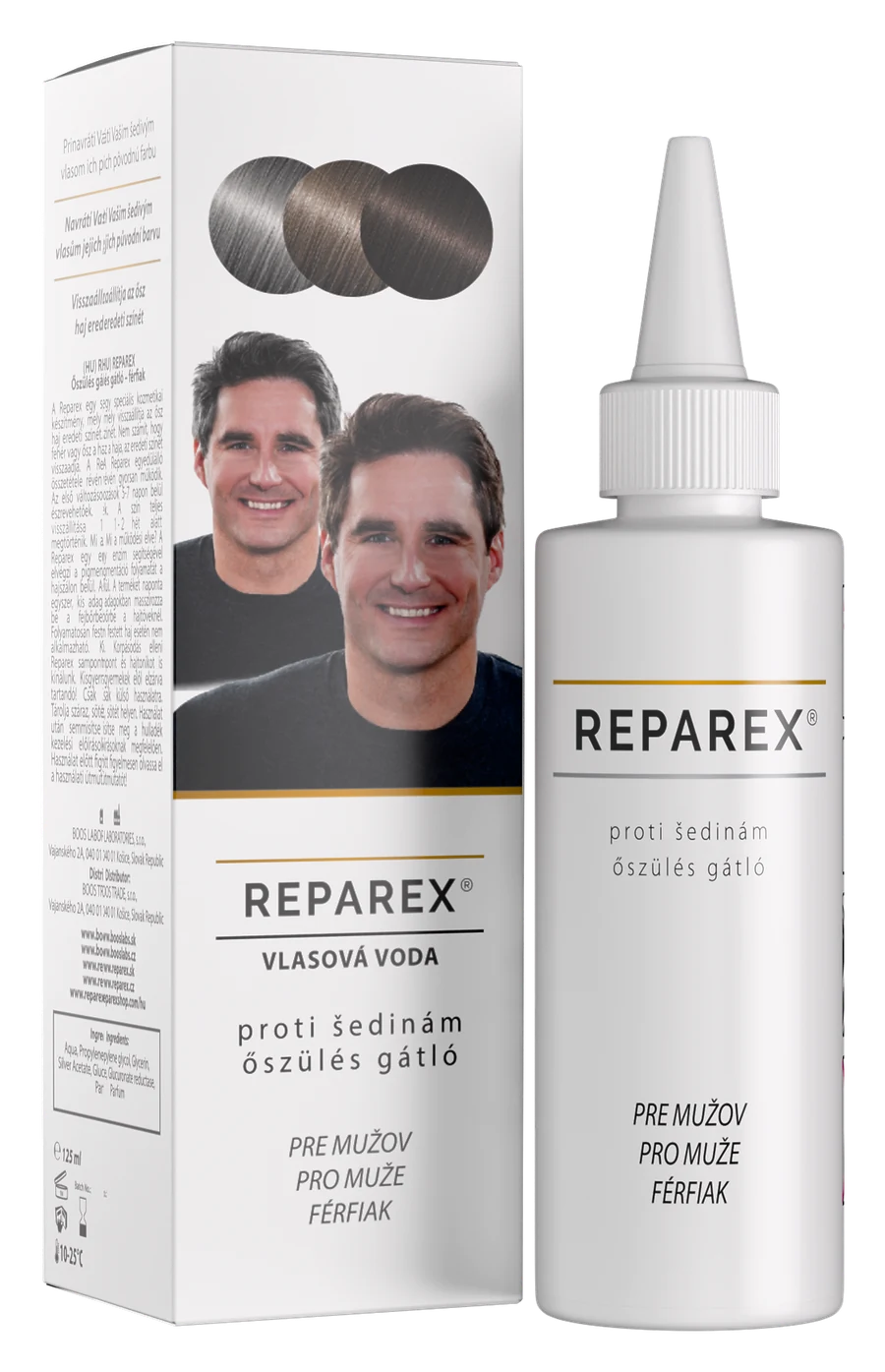
Reparex is intended for repeated small, targeted applications according to its instructions. It is not a salon service for selecting any desired shade. Its guidance specifies undyed hair, a three-month interval after colouring and restrictions concerning copper derivatives. Old colour may remain in the lengths after that interval.
Check the application routine before starting. Do not assume that fading equals untreated hair. Use only a product intended for the relevant area; scalp-hair products are not automatically suitable for a beard.
Describe the result precisely
Assess shade, coverage, evenness and skin comfort as separate observations. Use similar light when comparing appearance, and stop to seek appropriate advice if there is a reaction. Bleaching grey hair first is not a universal requirement, and an ammonia-free label alone does not settle every safety or suitability question.