Early greying: when hair colour changes sooner than expected
Family history, the pace of change and accompanying symptoms are more useful than comparing yourself with a photograph.
Earlier than expected is not a diagnosis
People notice their first grey hairs at different ages. Inherited factors are important, and definitions of early greying vary between populations and studies. A birthday alone cannot tell you whether a particular person’s change has a medical explanation.
Family history is useful context, not an exact timetable. Avoid treating another person’s online account as a prediction for your own hair, particularly when their diagnosis, products and circumstances differ.
Observe the course rather than counting every strand
Note roughly when you first noticed the change, whether it developed gradually and whether anything else changed. Density, scalp discomfort and skin changes are different observations from shade. A simple timeline can help a clinician more than repeated close-up counting.
Very early, rapid or otherwise unusual changes, especially with other symptoms, are reasonable grounds to ask a healthcare professional. Do not stop medicines or decide which blood tests you need solely from a blog.
Nutrition and stress need context
Grey hair alone does not establish B12, copper or another nutrient deficiency. Supplement decisions should reflect dietary circumstances and appropriate advice, rather than the idea that pigment is restored by adding more of one ingredient. See our guide to vitamins and minerals.
Stress research also does not justify blaming yourself for individual grey hairs. Interesting findings about pigmentation are not proof that resting sufficiently will restore everyone’s colour. Our stress article separates observations from treatment claims.
Cosmetic choices remain your decision
You may keep the grey, change your haircut, use temporary coverage or consider a longer-term routine. First record any colouring history and decide what maintenance fits your life. You do not have to respond to a comment about your hair with an immediate purchase.
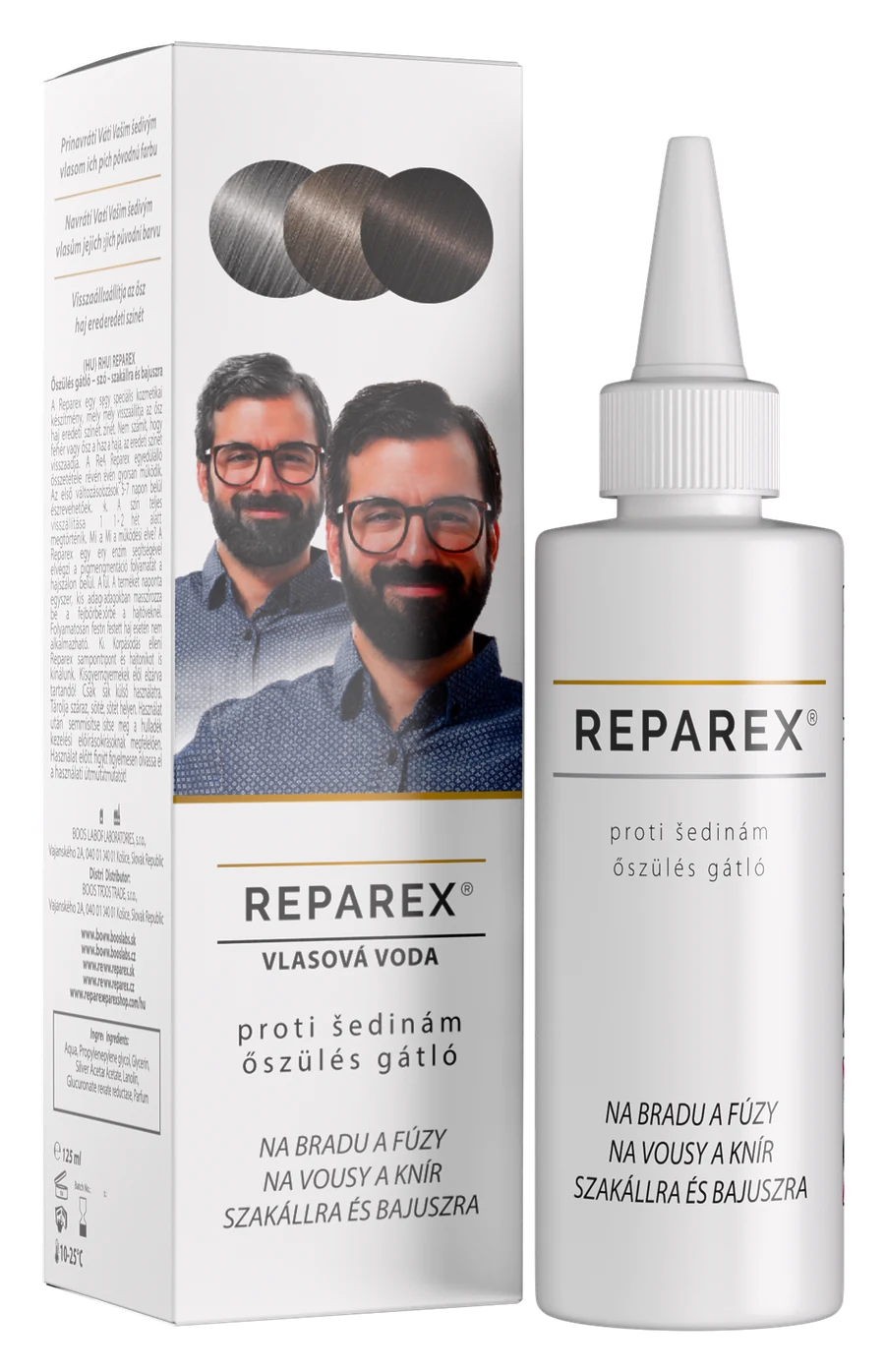
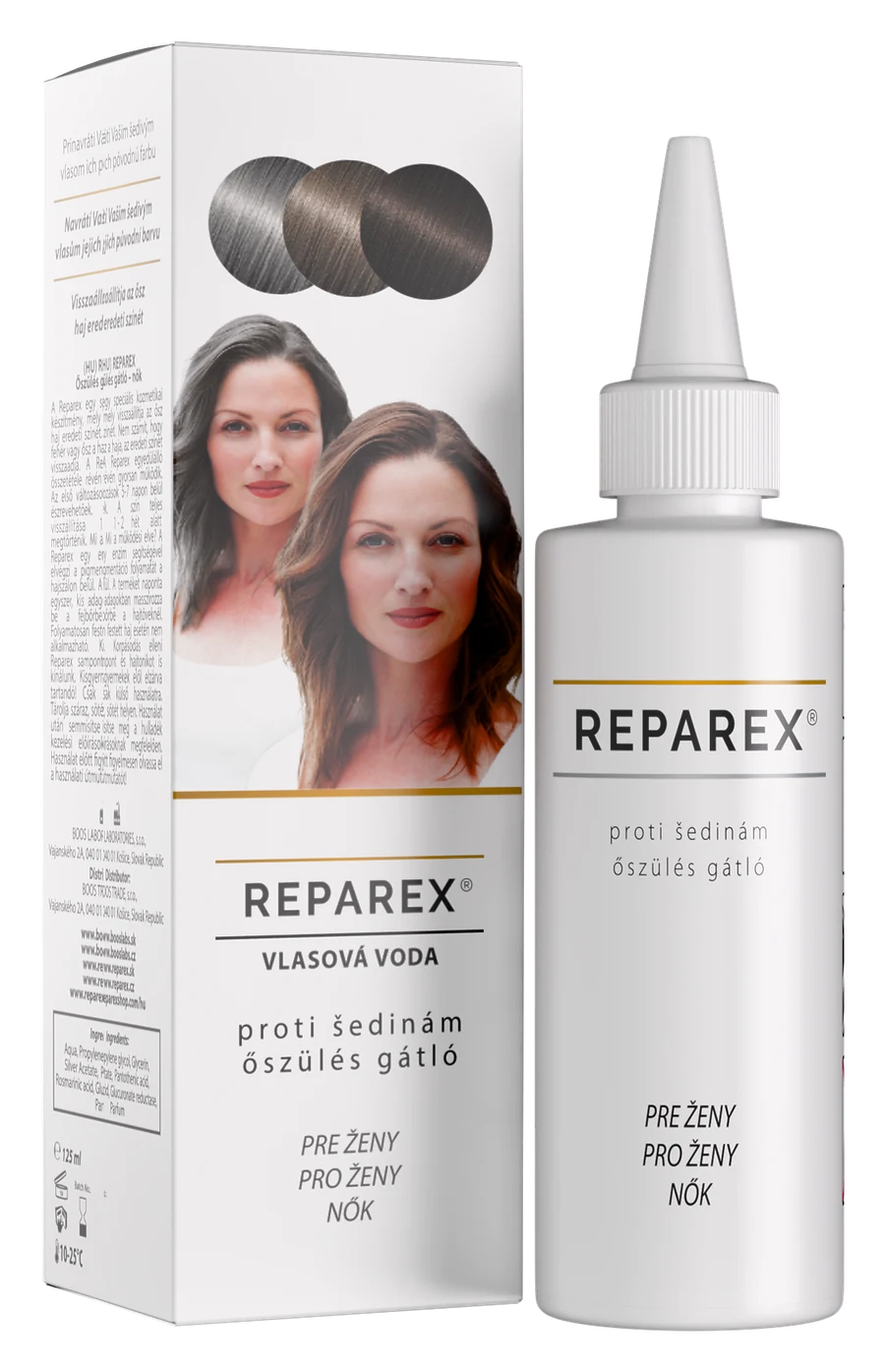
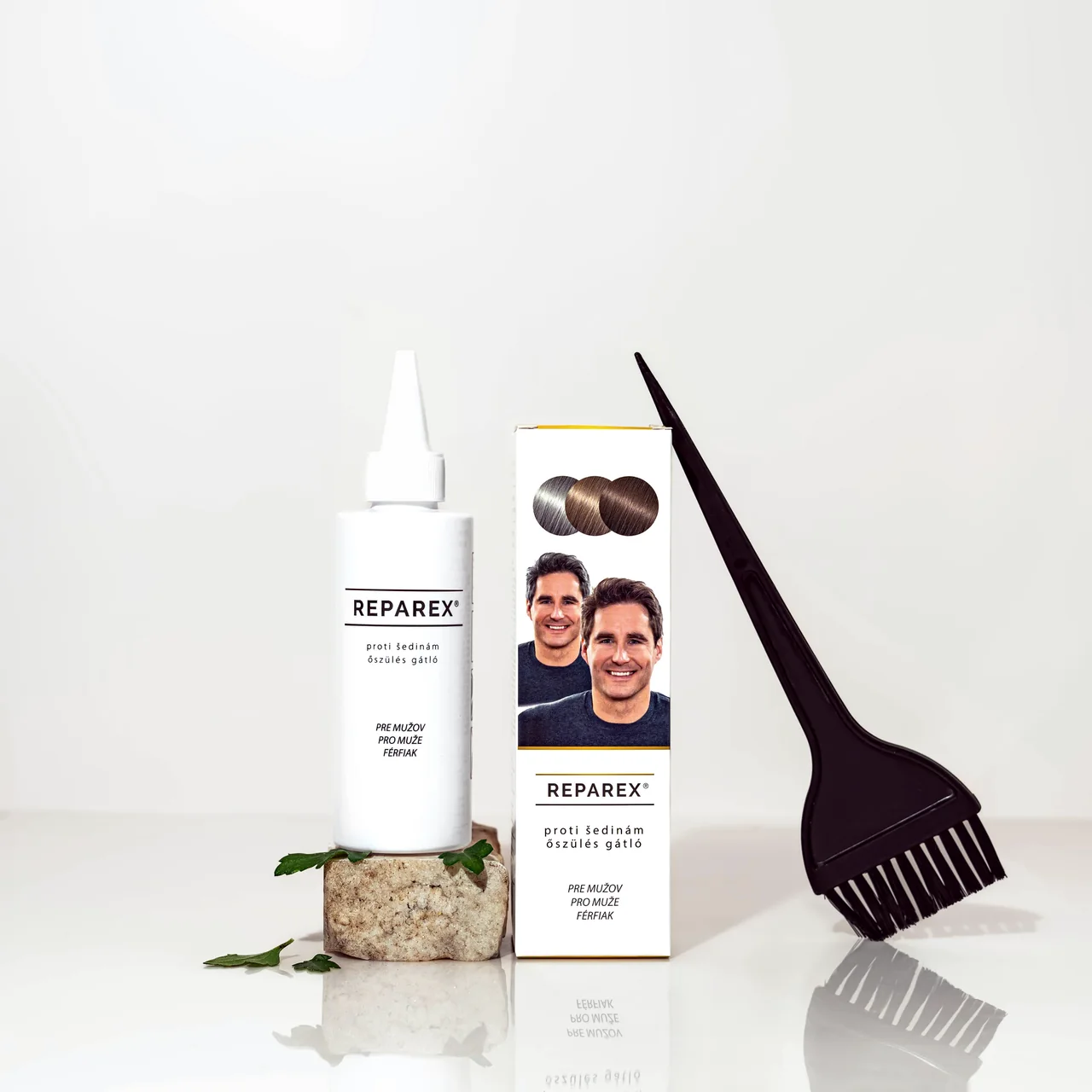
Reparex is discussed as a cosmetic option for changing appearance according to its instructions, not a diagnosis or treatment for a health-related cause of early greying. If a health concern and a style preference coexist, address both without expecting one cosmetic to answer every question.